

Services
Every plan starts with an exam and a conversation about what you want to get back to. Then Dr. Dufour combines the treatments below based on what he finds. Most people go home with two or three exercises to do between visits.
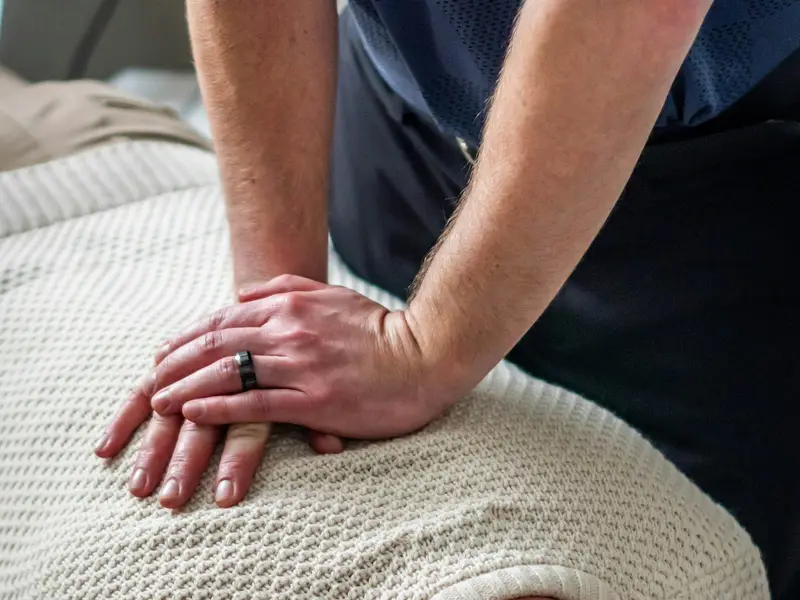
Non-Surgical Spinal Decompression
Gentle, computer-controlled traction designed to relieve pressure on spinal discs and the nerves they press on.
Spinal decompression uses a motorized table to slowly and precisely stretch the spine. The goal is to create negative pressure within the disc, which may help a bulging or herniated disc retract and encourage the movement of fluid and nutrients back into the disc space.
Most people find it comfortable. You lie down, a harness is fitted, and the table does the work in gentle cycles. Sessions typically last about 20 to 30 minutes and are usually combined with chiropractic care, soft-tissue treatment and home exercises as part of a plan.
Decompression may be an option for people with disc bulges or herniations, sciatica, degenerative disc disease, or arm/leg pain and numbness related to a compressed nerve who want to avoid or delay surgery. Dr. Dufour will tell you at your exam whether you're a candidate.
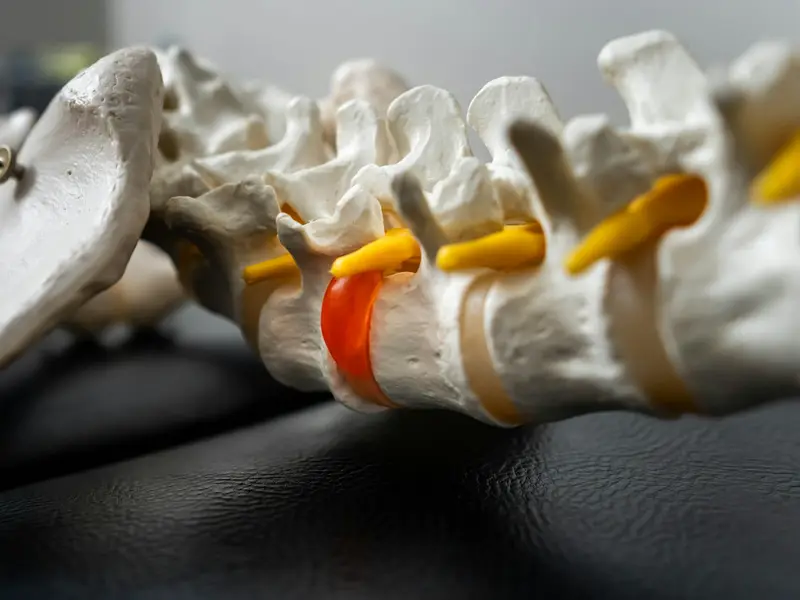
Active Release Technique
Hands-on treatment for muscles, tendons, ligaments and nerves that have become tight, scarred or entrapped.
Active Release Technique (ART) is a movement-based soft-tissue method. Dr. Dufour uses his hands to locate tight or adhered tissue, applies precise tension, and has you move the area through its range of motion. The combination is designed to release adhesions, restore glide between tissues and improve motion.
ART is commonly used for overuse injuries, post-accident soft-tissue strain, sciatica with a muscular component, headaches that start in the neck and shoulders, and nerve entrapments in the arms and legs.
Rapid Release Technique
High-frequency vibration therapy applied to scar tissue and muscle adhesions to help restore normal movement.
Rapid Release uses a handheld high-speed vibration device over tight, scarred or adhered soft tissue. Sessions are brief and are usually combined with ART and adjustment.
Chiropractic Care
Specific adjustments to restore joint motion in the spine and extremities and reduce irritation of surrounding nerves.
Chiropractic adjustment applies a controlled, targeted force to a joint that isn't moving well. Dr. Dufour uses a range of techniques, from traditional manual adjustments to gentler instrument-assisted and low-force methods, and picks based on your condition, comfort and preference.
Adjustments are usually one part of a plan that also addresses the soft tissue around the joint and the habits that led to the problem.
Self Care Instruction
Stretches, strengthening and daily-habit changes you can do at home to protect your progress between visits.
What you do between visits matters as much as what happens on the table. Dr. Dufour gives you a short list of specific exercises and habit changes, and updates them as you improve.
Education
Plain-language explanation of what's happening in your body, your options, and why each step of care matters.
Every visit has time for questions: what's going on, what the plan is, and how you'll know it's working.
Conditions we treat
Sciatica
Pain, numbness or tingling that travels from the low back or buttock down the leg, usually from pressure on the sciatic nerve. Decompression, ART and adjustment can each play a role depending on the cause.
Approaches that may help:
Neuropathy
Numbness, tingling, burning or weakness from an irritated or compressed nerve. The first step is finding where the nerve is being affected.
Approaches that may help:
Whiplash
Neck strain from a sudden back-and-forth motion, most often in a car accident. Early, appropriate care may help limit stiffness and headaches that can follow.
Approaches that may help:
Running & Sports Injuries
Hip, knee, IT band, shin, foot and low-back problems that come with training and sport. Dr. Dufour has worked with athletes at every level, from weekend runners to competitive athletes.
Approaches that may help:
Headaches/Migraines
Many headaches begin in the joints and muscles of the neck and upper back. We look for that contribution and treat it.
Approaches that may help:
Auto Accidents
Whiplash, back strain, headaches and nerve symptoms after a collision. We document your injuries carefully and work with your auto insurer's medical-payments coverage where available.
Approaches that may help:
Disc Bulge/Herniation
A disc that bulges or herniates can press on nearby nerves, causing back or neck pain and radiating symptoms. Non-surgical spinal decompression is designed specifically for this.
Approaches that may help:
Neck, Shoulder & Repetitive Strain
Desk-and-laptop neck pain, shoulder injuries and overuse strain of the arms and hands, treated with ART, adjustment and specific home exercises.
Approaches that may help:
Not sure a chiropractor can help? Ask first. It's free.
Request a free 15-minute consultation. Tell Dr. Dufour what's going on and he'll tell you straight whether he thinks his care is likely to help. It isn't an exam, it costs nothing, and you're under no obligation to book anything afterward.